
Lottery Tickets as Gifts: A Meaningful Tradition or a Waste of Money?
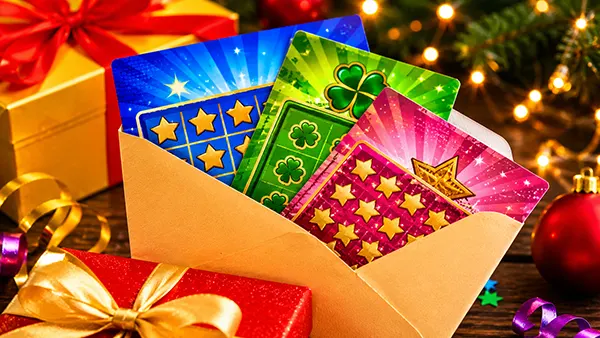
Lottery tickets have long been used as small presents for birthdays, Christmas celebrations and family gatherings. In many countries, including the United Kingdom, Spain and several European states, people still place scratch cards or lottery entries inside greeting cards as a symbolic gesture of luck and goodwill. By 2026, opinions about this tradition have become more divided. Some view lottery tickets as harmless entertainment that adds excitement to special occasions, while others consider them an unnecessary expense with little practical value. The discussion is closely connected to responsible gambling awareness, changing financial habits and modern attitudes towards risk.
Why Lottery Tickets Continue to Be Popular Gifts
One reason lottery tickets remain popular is their affordability. A single ticket usually costs less than many ordinary presents, allowing people to give something entertaining without spending large amounts of money. This is especially common during office gift exchanges or seasonal celebrations where small symbolic presents are expected rather than expensive items. In these situations, lottery tickets often function more as conversation starters than serious financial opportunities.
Another factor is the emotional reaction connected to possibility and anticipation. Even people who rarely buy lottery tickets themselves may enjoy the temporary excitement of checking numbers or revealing symbols on a scratch card. Researchers studying consumer behaviour often explain that people value experiences connected to curiosity and imagination, even when the odds of financial gain remain extremely low.
The structure of modern lottery systems has also changed public perception in recent years. National lottery organisations in 2026 operate under stricter regulations related to advertising, spending limits and responsible gambling measures. In the UK, for example, licensed lottery operators must provide clearer information about odds and player protection tools. Because of this, many consumers now see occasional lottery gifting as controlled entertainment rather than risky gambling behaviour.
When Lottery Gifts Feel Appropriate
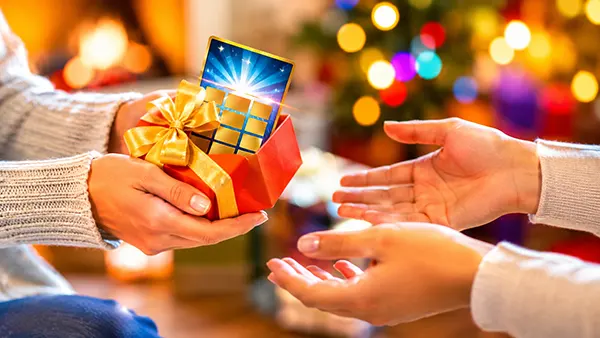
Lottery tickets generally work best in casual social settings where expectations remain realistic. Adding a scratch card to a birthday card or including a ticket in a Christmas stocking can create a light-hearted moment without placing emotional pressure on the recipient. The value usually comes from shared amusement rather than financial outcome.
They are also more suitable for adults who already participate in lotteries occasionally. Someone who already buys weekly draw tickets may genuinely appreciate receiving an extra entry into a special jackpot event. In such cases, the gift reflects an existing interest instead of encouraging unfamiliar gambling behaviour.
At the same time, sensitivity remains important. Giving lottery products to people experiencing financial hardship or gambling-related difficulties may create discomfort or encourage unhealthy habits. Responsible gifting in 2026 increasingly involves understanding the personal circumstances of the recipient instead of treating gambling-themed presents as universally harmless.
The Financial Reality Behind Lottery Tickets
Despite the excitement associated with large jackpots, lotteries remain statistically poor financial investments. Official lottery organisations openly publish winning odds, and the probability of receiving major prizes is extremely low. EuroMillions and similar international games often involve odds of many millions to one for jackpot-level rewards. From a financial perspective, repeated ticket purchases rarely produce long-term profit.
This reality explains why some critics describe lottery gifting as wasteful spending. Instead of purchasing tickets with uncertain outcomes, they argue that people could spend the same money on practical gifts, savings or shared activities. Financial advisers in 2026 regularly encourage consumers to separate entertainment spending from financial planning and avoid associating lotteries with realistic wealth generation.
However, comparing occasional lottery gifting to serious gambling addiction can also be misleading. A small scratch card purchased once during a holiday celebration differs greatly from repeated high-risk betting behaviour. Behavioural economists often point out that people regularly spend money on forms of entertainment that provide emotional value rather than measurable financial return, including cinema visits, novelty products and seasonal decorations.
How Responsible Gambling Awareness Changed Public Opinion
Public attitudes towards gambling products have shifted considerably over the last decade. Governments and regulatory authorities across Europe introduced stricter advertising rules, affordability monitoring and player protection systems. As a result, consumers in 2026 generally approach gambling-related products with greater caution than previous generations.
This shift has influenced opinions about lottery tickets as gifts. Some workplaces and families now avoid gambling-themed presents entirely, preferring alternatives that carry no connection to betting or financial risk. Others continue the tradition but limit it to small-value scratch cards intended purely for entertainment.
At the same time, national lotteries still maintain a more socially accepted reputation than many other gambling sectors. In several countries, lottery revenue supports public programmes linked to sports, culture, heritage restoration and charitable initiatives. This public funding role affects how many consumers justify occasional participation in state-regulated lotteries.
Can Lottery Tickets Still Be Considered a Positive Tradition?
The answer depends largely on expectations and moderation. Problems often arise when lottery participation is connected to unrealistic hopes of financial rescue or guaranteed success. When approached as a symbolic form of entertainment with clearly understood risks, occasional lottery gifting usually remains low-risk for most adults.
Many traditions survive because of emotional familiarity rather than material usefulness. Lottery tickets often create moments of suspense, humour and conversation during family gatherings or holiday evenings. In some households, checking results together has become part of long-standing seasonal customs that people associate with social connection rather than gambling.
Nevertheless, moderation remains essential. Spending excessive amounts on lottery-related gifts can quickly remove the harmless social aspect and introduce financial concerns. Experts in responsible gambling continue recommending fixed spending limits and realistic expectations when participating in any lottery activity during 2026.
A Balanced View on Lottery Gift Giving
Lottery tickets are neither entirely harmless nor automatically irresponsible. Their impact depends on frequency, personal circumstances and the intentions behind the gift. A modest scratch card included with a birthday message differs significantly from encouraging repeated gambling behaviour or unrealistic financial expectations.
For many people, the main attraction is not the prize itself but the temporary excitement connected to possibility. Even when no money is won, the brief emotional experience may still create enjoyable memories during celebrations or family events. This explains why the tradition continues across different cultures despite criticism.
In practical terms, lottery tickets work best as secondary symbolic presents rather than major gifts. Combined with responsible attitudes and moderate spending, they can still remain a small but socially accepted tradition in 2026. The most important factor is not the ticket itself, but the way people approach gambling-related entertainment and personal financial responsibility.